

Understanding Hair Loss
Hair loss can be a distressing experience for anyone, but for women, it often comes with a unique set of challenges.
Understanding the underlying causes, dispelling myths, and exploring treatment options can empower women to take control of their hair health.
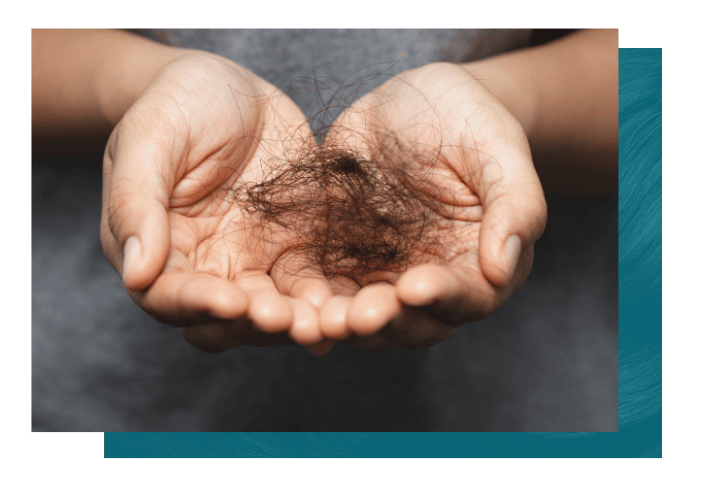
Hair loss, medically termed “Alopecia,” is characterized by unexpected and excessive hair shedding.
Who It Affects
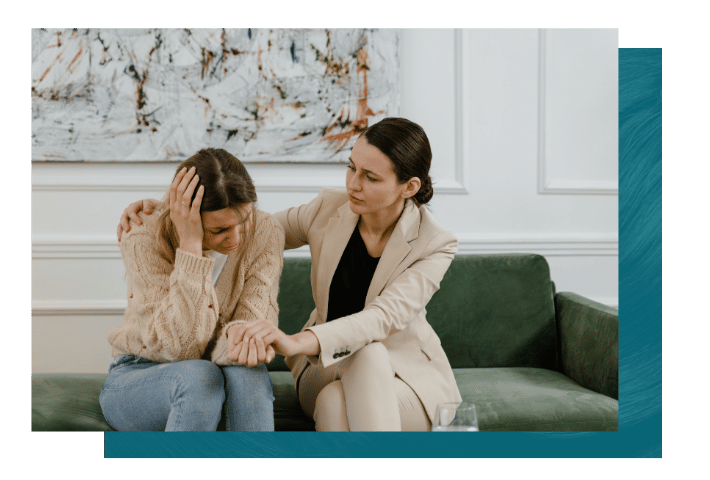
Hair loss disproportionately impacts women, detrimentally affecting their self-esteem and professional confidence, frequently leading to depression and other mental health complications.
Hair loss can disrupt a person’s daily life, limiting social activities and avoiding family occasions.
A study by Hunt and McHale found that approximately 40% of women with Alopecia have had marital problems, and 63% have career-related issues.
Clinical research shows that 20 to 48% of patients presenting for cosmetic surgery may also have a psychiatric diagnosis.
Does this sound like you?
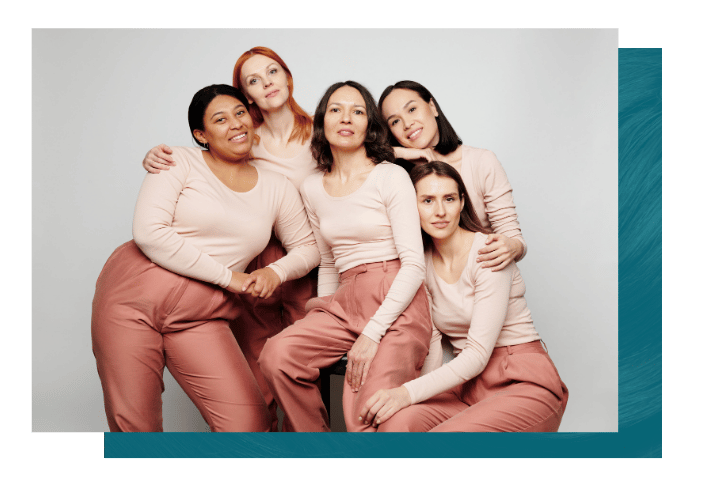
You are not alone. We are building a network of women just like you who are searching for clinically-backed explanations and treatment as well as emotional support as you deal with hair loss.
Important Terms
Here are plain-language definitions of the most popular terms in women’s hair loss:
| Term | Description | Search |
|---|---|---|
| Acne Keloidalis Nuchae | This is a scarring condition on the back of the scalp and neck that causes raised bumps and permanent hair loss in that area. | Search |
| Age-Related Alopecia | This is the natural thinning and reduced fullness of hair that can happen simply as you get older, separate from other causes like hormones. | Search |
| Alopecia | This is the medical word for hair loss. It simply means hair is missing from a spot on your body where it normally grows. There are many different kinds and causes of alopecia. | Search |
| Alopecia Areata | This is a condition where your immune system mistakenly attacks your hair follicles, causing round or oval bald patches on your scalp or body. It can come and go, and hair often grows back, though it may fall out again. | Search |
| Alopecia Totalis | This means you have lost ALL the hair on your scalp. It’s a more serious form of alopecia areata, which is a condition where the immune system attacks hair follicles. | Search |
| Alopecia Universalis | This is the most severe type of alopecia areata. It means you’ve lost hair everywhere on your body — not just your scalp, but also your eyebrows, eyelashes, and other body hair. | Search |
| Anagen Effluvium | This is sudden, fast hair loss caused by damage to hairs while they’re actively growing. It’s most often caused by chemotherapy and happens much quicker than other types of shedding. | Search |
| Androgenetic Alopecia | This is the medical term for genetic hair loss caused by hair follicles being sensitive to hormones called androgens (like DHT). In women, it usually shows up as thinning spread across the top of the scalp. This is the most common name doctors use for this condition. | Search |
| Androgenic Alopecia | This is another name for the same hormone-driven hair loss as androgenetic alopecia — some people search using this shorter spelling. It causes crown thinning in women and hairline recession in men. | Search |
| Central Centrifugal Cicatricial Alopecia | This is a type of scarring hair loss that starts at the crown and spreads outward in a circle. It most often affects women of African descent. | Search |
| Chemical / Traumatic Hair Damage | This is hair breakage caused by things like bleach, chemical relaxers, or heat styling tools — not by a medical condition. | Search |
| Discoid Lupus Alopecia | This is a type of scarring hair loss caused by discoid lupus erythematosus. It shows up as scaly, disc-shaped patches where hair loss is permanent. | Search |
| Dissecting Cellulitis of the Scalp | This is a long-term inflammatory scalp condition that causes painful lumps and channels that drain fluid, eventually leading to scarring hair loss. | Search |
| Drug-Induced Alopecia | This is hair loss caused as a side effect of a medication you’re taking. It usually gets better once you stop or change the medicine (always talk to your doctor before stopping any medication). | Search |
| Female Pattern Hair Loss | This is the name doctors use most often for androgenetic alopecia in women. It shows up as thinning spread over the top of the head and a part that looks wider, rather than a receding hairline. | Search |
| Fibrosing Alopecia in a Pattern Distribution | This is a form of lichen planopilaris that shows up in the same pattern as regular pattern hair loss, combining features of both an inflammatory scarring condition and hormone-driven thinning. | Search |
| Folliculitis Decalvans | This is a scarring condition where hair follicles become inflamed, causing pus-filled bumps and crusting that lead to ongoing, permanent hair loss. | Search |
| Frontal Fibrosing Alopecia | This is a type of scarring hair loss where the hairline slowly moves backward. It often comes with eyebrow loss and is most common in women past menopause. | Search |
| Hair Loss / Baldness | This is a general term for any noticeable loss of hair thickness or coverage on the scalp, no matter the cause. It’s often the starting point before finding out exactly what type of hair loss you have. | Search |
| Hair Shaft Disorders / Hair Breakage | This is a group of conditions where the hair strand itself is weak or damaged, causing it to snap or break before it can grow long. | Search |
| Hair Thinning | This means your hair looks less full or each strand feels finer than before. It can be an early sign of other conditions, like pattern hair loss or telogen effluvium, or it can happen on its own. | Search |
| Hyperandrogenism-Associated Hair Loss | This is hair thinning caused by having higher-than-normal levels of male hormones called androgens. It’s often seen with PCOS and is closely related to pattern hair loss. | Search |
| Lichen Planopilaris | This is an inflammatory condition that causes burning, itching, or pain on the scalp along with hair loss that is permanent once it happens. | Search |
| Loose Anagen Syndrome | This is a condition, most common in young children, where growing hairs aren’t anchored well in the scalp. The hair pulls out easily and painlessly, often looking sparse. | Search |
| Menopause | Menopause is the point in a woman’s life when her periods stop for good, usually confirmed after 6 to 12 months without a period. It typically happens between ages 48 and 55 and is linked to hormone changes that can also affect hair. | Search |
| Menopause-Associated Hair Loss | This is hair thinning linked to the hormone changes of menopause, especially the drop in estrogen. It can bring out or speed up pattern hair loss. | Search |
| Nutritional-Deficiency Hair Loss | This is hair thinning or shedding caused by not getting enough of certain nutrients, like iron, vitamin D, or protein, that your hair needs to grow normally. | Search |
| Ophiasis Alopecia | This is a type of alopecia areata where hair loss happens in a band shape along the sides and lower back of your scalp. It can be harder to treat than other patchy hair loss. | Search |
| Post-Illness Hair Loss | This is hair shedding that starts a few months after you’ve had a fever, infection, or other serious illness (including COVID-19). It’s your body’s normal reaction to being sick, and hair typically grows back. | Search |
| Postpartum Hair Loss | This is hair shedding that happens after giving birth, usually starting 2 to 4 months later. It’s caused by the drop in hormones after pregnancy and usually gets better on its own within a year. | Search |
| Pressure Alopecia | This is hair loss caused by steady pressure on one part of the scalp, most often from lying in the same position for a long time during surgery. It can be temporary or, in some cases, permanent. | Search |
| Secondary Scarring Alopecia | This is permanent hair loss caused by an outside injury to the scalp, such as a burn, an accident, or a bad infection, rather than a disease of the hair follicles themselves. | Search |
| Short Anagen Syndrome | This is a condition where the active growing phase of hair is unusually short, so hair never seems to grow past a certain length. | Search |
| Syphilitic Alopecia | This is patchy hair loss with a distinct “moth-eaten” look that can occur during a secondary syphilis infection. | Search |
| Systemic Lupus Alopecia | This is hair thinning that happens during flare-ups of systemic lupus erythematosus (a disease where the immune system attacks the body’s own tissues). It often improves when the lupus itself is treated and under control. | Search |
| Telogen Effluvium | This is a common type of hair shedding that happens all over your scalp, not in one spot. It’s usually triggered by something like stress, illness, surgery, having a baby, a strict diet, or a hormone change. Hair usually grows back within 6 to 12 months once the trigger goes away. | Search |
| Thyroid-Associated Hair Loss | This is hair thinning spread across the scalp that’s linked to a thyroid gland that’s working too much or too little. It usually improves once the thyroid condition is treated. | Search |
| Tinea Capitis | This is a fungal infection of the scalp, also called scalp ringworm. It causes scaly, itchy bald patches and is most common in children. | Search |
| Traction Alopecia | This is hair loss caused by hair being pulled tight over and over, often from tight braids, weaves, extensions, or ponytails. It usually affects the hairline and temples first. | Search |
| Trichotillomania | This is a condition where a person feels a strong urge to pull out their own hair, which leads to uneven bald patches with hairs of different lengths. | Search |
How We Can Help
The Women’s Hair Loss Network aims to address the lack of clear avenues for treatment amidst the many untested hair loss “cures” and treatments saturating the market and media.
The average consumer spends hundreds to thousands of dollars on these so-called cures with little or no sustainable results.
We want to change that.
Join our mission in this worldwide pursuit to a factual, evidence-based resource and community of women just like you!
IMPORTANT TERMS
Here are plain-language definitions of the most popular terms in women’s hair loss:
Acne Keloidalis Nuchae
This is a scarring condition on the back of the scalp and neck that causes raised bumps and permanent hair loss in that area.
Age-Related Alopecia
This is the natural thinning and reduced fullness of hair that can happen simply as you get older, separate from other causes like hormones.
Alopecia
This is the medical word for hair loss. It simply means hair is missing from a spot on your body where it normally grows. There are many different kinds and causes of alopecia.
Alopecia Areata
This is a condition where your immune system mistakenly attacks your hair follicles, causing round or oval bald patches on your scalp or body. It can come and go, and hair often grows back, though it may fall out again.
Alopecia Totalis
This means you have lost ALL the hair on your scalp. It’s a more serious form of alopecia areata, which is a condition where the immune system attacks hair follicles.
Alopecia Universalis
This is the most severe type of alopecia areata. It means you’ve lost hair everywhere on your body — not just your scalp, but also your eyebrows, eyelashes, and other body hair.
Anagen Effluvium
This is sudden, fast hair loss caused by damage to hairs while they’re actively growing. It’s most often caused by chemotherapy and happens much quicker than other types of shedding.
Androgenetic Alopecia
This is the medical term for genetic hair loss caused by hair follicles being sensitive to hormones called androgens (like DHT). In women, it usually shows up as thinning spread across the top of the scalp. This is the most common name doctors use for this condition.
Androgenic Alopecia
This is another name for the same hormone-driven hair loss as androgenetic alopecia — some people search using this shorter spelling. It causes crown thinning in women and hairline recession in men.
Central Centrifugal Cicatricial Alopecia
This is a type of scarring hair loss that starts at the crown and spreads outward in a circle. It most often affects women of African descent.
Chemical / Traumatic Hair Damage
This is hair breakage caused by things like bleach, chemical relaxers, or heat styling tools — not by a medical condition.
Discoid Lupus Alopecia
This is a type of scarring hair loss caused by discoid lupus erythematosus. It shows up as scaly, disc-shaped patches where hair loss is permanent.
Dissecting Cellulitis of the Scalp
This is a long-term inflammatory scalp condition that causes painful lumps and channels that drain fluid, eventually leading to scarring hair loss.
Drug-Induced Alopecia
This is hair loss caused as a side effect of a medication you’re taking. It usually gets better once you stop or change the medicine (always talk to your doctor before stopping any medication).
Female Pattern Hair Loss
This is the name doctors use most often for androgenetic alopecia in women. It shows up as thinning spread over the top of the head and a part that looks wider, rather than a receding hairline.
Fibrosing Alopecia in a Pattern Distribution
This is a form of lichen planopilaris that shows up in the same pattern as regular pattern hair loss, combining features of both an inflammatory scarring condition and hormone-driven thinning.
Folliculitis Decalvans
This is a scarring condition where hair follicles become inflamed, causing pus-filled bumps and crusting that lead to ongoing, permanent hair loss.
Frontal Fibrosing Alopecia
This is a type of scarring hair loss where the hairline slowly moves backward. It often comes with eyebrow loss and is most common in women past menopause.
Hair Loss / Baldness
This is a general term for any noticeable loss of hair thickness or coverage on the scalp, no matter the cause. It’s often the starting point before finding out exactly what type of hair loss you have.
Hair Shaft Disorders / Hair Breakage
This is a group of conditions where the hair strand itself is weak or damaged, causing it to snap or break before it can grow long.
Hair Thinning
This means your hair looks less full or each strand feels finer than before. It can be an early sign of other conditions, like pattern hair loss or telogen effluvium, or it can happen on its own.
Hyperandrogenism-Associated Hair Loss
This is hair thinning caused by having higher-than-normal levels of male hormones called androgens. It’s often seen with PCOS and is closely related to pattern hair loss.
Lichen Planopilaris
This is an inflammatory condition that causes burning, itching, or pain on the scalp along with hair loss that is permanent once it happens.
Loose Anagen Syndrome
This is a condition, most common in young children, where growing hairs aren’t anchored well in the scalp. The hair pulls out easily and painlessly, often looking sparse.
Menopause
Menopause is the point in a woman’s life when her periods stop for good, usually confirmed after 6 to 12 months without a period. It typically happens between ages 48 and 55 and is linked to hormone changes that can also affect hair.
Menopause-Associated Hair Loss
This is hair thinning linked to the hormone changes of menopause, especially the drop in estrogen. It can bring out or speed up pattern hair loss.
Nutritional-Deficiency Hair Loss
This is hair thinning or shedding caused by not getting enough of certain nutrients, like iron, vitamin D, or protein, that your hair needs to grow normally.
Ophiasis Alopecia
This is a type of alopecia areata where hair loss happens in a band shape along the sides and lower back of your scalp. It can be harder to treat than other patchy hair loss.
Post-Illness Hair Loss
This is hair shedding that starts a few months after you’ve had a fever, infection, or other serious illness (including COVID-19). It’s your body’s normal reaction to being sick, and hair typically grows back.
Postpartum Hair Loss
This is hair shedding that happens after giving birth, usually starting 2 to 4 months later. It’s caused by the drop in hormones after pregnancy and usually gets better on its own within a year.
Pressure Alopecia
This is hair loss caused by steady pressure on one part of the scalp, most often from lying in the same position for a long time during surgery. It can be temporary or, in some cases, permanent.
Secondary Scarring Alopecia
This is permanent hair loss caused by an outside injury to the scalp, such as a burn, an accident, or a bad infection, rather than a disease of the hair follicles themselves.
Short Anagen Syndrome
This is a condition where the active growing phase of hair is unusually short, so hair never seems to grow past a certain length.
Syphilitic Alopecia
This is patchy hair loss with a distinct “moth-eaten” look that can occur during a secondary syphilis infection.
Systemic Lupus Alopecia
This is hair thinning that happens during flare-ups of systemic lupus erythematosus (a disease where the immune system attacks the body’s own tissues). It often improves when the lupus itself is treated and under control.
Telogen Effluvium
This is a common type of hair shedding that happens all over your scalp, not in one spot. It’s usually triggered by something like stress, illness, surgery, having a baby, a strict diet, or a hormone change. Hair usually grows back within 6 to 12 months once the trigger goes away.
Thyroid-Associated Hair Loss
This is hair thinning spread across the scalp that’s linked to a thyroid gland that’s working too much or too little. It usually improves once the thyroid condition is treated.
Tinea Capitis
This is a fungal infection of the scalp, also called scalp ringworm. It causes scaly, itchy bald patches and is most common in children.
Traction Alopecia
This is hair loss caused by hair being pulled tight over and over, often from tight braids, weaves, extensions, or ponytails. It usually affects the hairline and temples first.
Trichotillomania
This is a condition where a person feels a strong urge to pull out their own hair, which leads to uneven bald patches with hairs of different lengths.